

1. Introduction
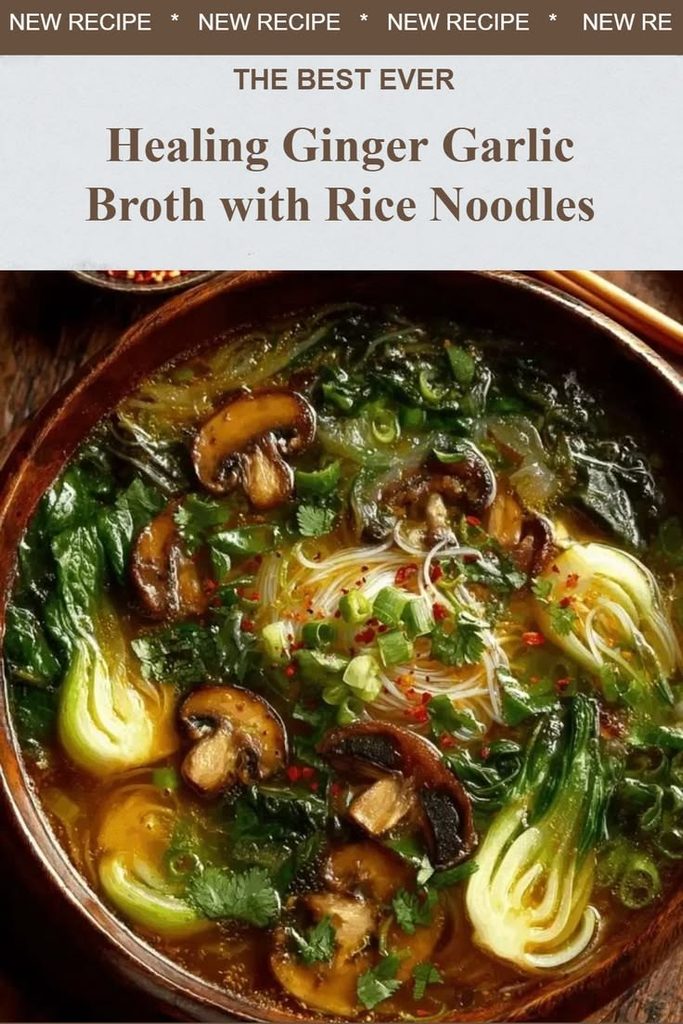
If you’re looking for a warm, comforting, and flavorful meal that’s easy to prepare, this Healing Ginger Garlic Broth with Rice Noodles is the perfect recipe to add to your meal rotation. Made with fresh ginger, aromatic garlic, nourishing broth, and tender rice noodles, this comforting soup delivers a delicious combination of warming flavors and satisfying textures.
The combination of ginger and garlic creates a fragrant broth with a slightly spicy, savory taste. Ginger adds a gentle warmth, while garlic provides a rich aromatic flavor that makes every spoonful delicious. When simmered together with vegetable or chicken broth, these ingredients create a light yet flavorful base that pairs beautifully with soft rice noodles.
One of the best things about this ginger garlic broth recipe is its simplicity. You don’t need complicated cooking techniques or expensive ingredients to prepare a satisfying homemade soup. With a handful of everyday ingredients and a few simple steps, you can create a comforting meal that’s perfect for lunch, dinner, or whenever you’re craving something warm.
This ginger garlic soup with rice noodles is also incredibly versatile. You can add shredded chicken, mushrooms, spinach, carrots, bok choy, tofu, or green onions to make it more filling and nutritious. Whether you prefer a light vegetarian soup or a heartier noodle bowl, this recipe can easily be customized to suit your taste.
Perfect for chilly evenings, busy weekdays, or cozy family meals, this homemade ginger garlic broth is a wonderful way to enjoy the comforting flavors of Asian-inspired noodle soup.
2. Key Benefits of Healing Ginger Garlic Broth with Rice Noodles
There are many reasons to love this easy ginger garlic broth recipe. It combines simple ingredients, comforting flavors, and plenty of opportunities for customization.
1. Warm and Comforting
Fresh ginger and garlic create a warming, aromatic broth that makes this soup especially enjoyable during colder weather or whenever you want a comforting meal.
2. Simple Everyday Ingredients
This recipe uses accessible ingredients such as ginger, garlic, broth, rice noodles, soy sauce, and fresh vegetables. Most of them are easy to find at your local grocery store.
3. Light Yet Satisfying
Rice noodles provide carbohydrates that make the soup filling, while the broth keeps the dish light and enjoyable.
4. Easy to Customize
You can add chicken, tofu, shrimp, mushrooms, spinach, carrots, or other vegetables to create different versions of the recipe.
5. Naturally Dairy-Free
The basic recipe does not require milk, butter, cream, or cheese, making it suitable for people who prefer dairy-free meals.
6. Easy Weeknight Meal
With relatively little preparation and a short cooking time, this soup is an excellent option for busy weekdays when you want something homemade without spending hours in the kitchen.
7. Fresh and Aromatic Ingredients
Ginger, garlic, green onions, and fresh herbs bring vibrant flavors to the broth without requiring complicated seasoning.
8. Easily Adaptable for Different Diets
You can use vegetable broth for a vegetarian version, gluten-free tamari instead of regular soy sauce, or additional protein to make the soup more substantial.
Note: Although ginger and garlic are traditional ingredients used in many comforting soups, this recipe is not a medical treatment and should not be considered a cure for colds, infections, or other illnesses.
3. Ingredients for Healing Ginger Garlic Broth with Rice Noodles
The secret to making a delicious ginger garlic broth with rice noodles is using fresh aromatics and balancing the savory, salty, and slightly sweet flavors.
Here are the ingredients you’ll need.
For the Ginger Garlic Broth
- 6 cups chicken or vegetable broth: Creates the flavorful liquid base of the soup. Choose low-sodium broth so you can control the saltiness.
- 1 tablespoon fresh ginger, grated: Adds a warm, slightly spicy flavor and gives the broth its distinctive ginger aroma.
- 5 garlic cloves, minced: Provides a rich, savory flavor that complements the ginger.
- 1 tablespoon olive oil or sesame oil: Helps release the aromas of the garlic and ginger.
- 2 tablespoons soy sauce: Adds savory, umami flavor and enhances the overall taste.
- 1 tablespoon rice vinegar: Provides a gentle acidity that balances the richness of the broth.
- 1 teaspoon honey: Adds a subtle sweetness that balances the ginger and garlic.
- 1/2 teaspoon sesame oil: Adds a nutty aroma and depth of flavor.
- 1/4 teaspoon black pepper: Provides mild seasoning.
- 1/2 teaspoon chili flakes: Optional, for a little extra heat.
For the Rice Noodles
- 6 ounces rice noodles: Use thin or medium-width rice noodles depending on your preferred texture.
- Water for soaking or cooking: Prepare the noodles according to the package instructions.
Optional Vegetables
- 1 cup sliced mushrooms: Add an earthy flavor and a tender texture.
- 1 cup baby spinach: Adds freshness and color to the soup.
- 1 medium carrot, julienned: Provides natural sweetness and a slight crunch.
- 1 cup bok choy, chopped: Adds a mild vegetable flavor and works beautifully in Asian-inspired broth.
- 2 green onions, sliced: Provide a fresh, slightly sharp flavor.
Optional Protein
- 1 cup cooked shredded chicken: Makes the soup more filling and adds protein.
- 1/2 cup firm tofu, cubed: An excellent vegetarian protein option.
- 1/2 cup cooked shrimp: Adds a delicate seafood flavor.
Optional Garnishes
- Fresh cilantro
- Extra sliced green onions
- Toasted sesame seeds
- Fresh lime wedges
- Chili oil
- Additional grated ginger
These ingredients allow you to adjust the flavor and texture of the soup according to your preferences.
4. How to Make Healing Ginger Garlic Broth with Rice Noodles
Making this homemade ginger garlic broth with rice noodles is simple and straightforward. Follow these steps to prepare a flavorful soup with tender noodles and aromatic broth.
Step 1: Prepare the Ingredients
Start by peeling and finely grating the fresh ginger. Mince the garlic cloves and slice the green onions.
Wash and prepare any vegetables you’re using. Slice the mushrooms, julienne the carrot, and roughly chop the bok choy.
If you’re adding cooked chicken, shred it into bite-sized pieces. If using tofu, cut it into small cubes.
Having everything prepared before cooking makes the process much easier.
Step 2: Prepare the Rice Noodles
Place the rice noodles in a large bowl and prepare them according to the package instructions.
Depending on the type of noodles, you may need to soak them in warm water or briefly boil them.
Cook until they are just tender but still slightly firm. Avoid overcooking because rice noodles can become soft and mushy when left in hot broth.
Drain the noodles and rinse briefly with cool water if recommended by the package instructions.
Set aside until ready to serve.
Step 3: Sauté the Ginger and Garlic
Place a large saucepan or soup pot over medium heat.
Add the olive oil or sesame oil and allow it to warm slightly.
Add the grated ginger and minced garlic. Sauté for approximately 1–2 minutes, stirring frequently.
Cook until fragrant, but avoid browning the garlic because burnt garlic can create a bitter taste.
This step helps release the natural aromas of the ginger and garlic, creating a flavorful foundation for the broth.
Step 4: Add the Broth and Seasonings
Pour the chicken or vegetable broth into the saucepan.
Add the soy sauce, rice vinegar, honey, black pepper, and optional chili flakes.
Stir everything together until the ingredients are well combined.
Bring the mixture to a gentle boil, then reduce the heat and allow it to simmer for approximately 10–15 minutes.
This gives the ginger and garlic time to infuse the broth with their aromatic flavors.
Step 5: Add the Vegetables
Add the sliced mushrooms and carrots to the simmering broth.
Cook for approximately 4–5 minutes until they begin to soften.
Next, add the bok choy and baby spinach. Simmer for another 2–3 minutes until the vegetables are tender but still retain some freshness.
If you’re using cooked shredded chicken or tofu, add it during this step and allow it to heat through.
For raw shrimp, add them near the end and cook until they turn opaque and are fully cooked.
Step 6: Taste and Adjust the Broth
Taste the broth and adjust the seasonings according to your preference.
If you want a stronger savory flavor, add a little more soy sauce.
For additional freshness, add a splash of rice vinegar or fresh lime juice.
If you prefer a sweeter broth, add a small amount of honey. For extra heat, add more chili flakes or chili oil.
Step 7: Assemble the Rice Noodle Bowls
Divide the prepared rice noodles evenly between serving bowls.
Carefully ladle the hot ginger garlic broth over the noodles.
Make sure each bowl receives a good portion of vegetables and any protein you’ve added.
The hot broth will warm the noodles and bring all the flavors together.
Step 8: Add Garnishes and Serve
Finish each bowl with sliced green onions, fresh cilantro, toasted sesame seeds, or a squeeze of lime juice.
For a spicy version, add a small drizzle of chili oil.
Serve immediately while the broth is hot and the noodles are tender.
Enjoy your homemade Healing Ginger Garlic Broth with Rice Noodles!
5. How to Store Healing Ginger Garlic Broth with Rice Noodles
Proper storage helps preserve the flavor and texture of your homemade ginger garlic soup. For the best results, store the broth and rice noodles separately.
In the Refrigerator:
Allow the broth to cool before transferring it to an airtight container.
- Ginger garlic broth can generally be refrigerated for 3–4 days.
- Cooked rice noodles are best stored separately and used within 2–3 days for the best texture.
- Cooked chicken or vegetables should be refrigerated promptly with the broth or in separate airtight containers.
Avoid leaving the soup at room temperature for more than 2 hours.
In the Freezer:
The ginger garlic broth can be frozen for approximately 2–3 months for the best quality.
Allow it to cool, then transfer it to freezer-safe containers, leaving a little space at the top for expansion.
It’s best not to freeze the cooked rice noodles because they may become mushy after thawing. Prepare fresh noodles when you’re ready to serve.
How to Reheat:
- Stovetop: Pour the broth into a saucepan and heat over medium heat until steaming hot, stirring occasionally.
- Microwave: Place an individual portion of broth in a microwave-safe bowl and heat in intervals, stirring between each interval.
- Noodles: Add freshly prepared or refrigerated noodles to the hot broth just before serving.
If the broth has thickened during storage, add a little water or additional broth to adjust its consistency.
6. Tips & Tricks for the Best Ginger Garlic Broth with Rice Noodles
A few simple techniques can make a big difference in the flavor, aroma, and texture of this homemade noodle soup.
1. Use Fresh Ginger
Fresh ginger provides a brighter, more aromatic flavor than dried ginger powder. Peel and grate it just before cooking for the best results.
2. Don’t Burn the Garlic
Garlic cooks quickly, so sauté it over medium heat and stir frequently. Remove it from the heat or add the broth as soon as it becomes fragrant.
3. Adjust the Ginger Flavor
If you enjoy a stronger ginger taste, increase the amount slightly. If you prefer a milder broth, start with a smaller amount and adjust after simmering.
4. Choose the Right Rice Noodles
Thin rice noodles work wonderfully in light broths, while wider rice noodles create a heartier noodle bowl. Choose according to your preferred texture.
5. Avoid Overcooking the Noodles
Rice noodles can become mushy if cooked for too long. Prepare them separately and add them to individual bowls just before serving.
6. Use Low-Sodium Broth
Low-sodium chicken or vegetable broth gives you better control over the saltiness, especially when adding soy sauce.
7. Add Vegetables at the Right Time
Harder vegetables, such as carrots, need more cooking time than spinach or bok choy. Add delicate vegetables near the end to prevent them from becoming too soft.
8. Add Lime for Freshness
A squeeze of fresh lime juice just before serving adds brightness and balances the savory broth.
9. Customize the Spice Level
Add chili flakes, fresh chili, or chili oil if you enjoy spicy food. You can also leave them out for a milder family-friendly version.
10. Make Extra Broth
The broth is one of the best parts of this recipe. Preparing a little extra makes it easy to enjoy another bowl or create a quick noodle meal the following day.
7. Recipe Variations
One of the best things about this ginger garlic broth recipe is how easy it is to customize. You can change the vegetables, protein, noodles, and seasonings to create different versions.
1. Ginger Garlic Chicken Noodle Soup
Add shredded cooked chicken to the broth for a heartier and more protein-rich meal. Chicken pairs beautifully with the ginger, garlic, and soy sauce.
2. Spicy Ginger Garlic Noodle Soup
Increase the chili flakes and add a spoonful of chili oil or chili paste. This variation is perfect for anyone who enjoys a little extra heat.
3. Vegetarian Ginger Garlic Broth
Use vegetable broth and add mushrooms, bok choy, carrots, spinach, and tofu. This creates a delicious vegetarian noodle soup full of fresh vegetable flavors.
4. Coconut Ginger Garlic Noodle Soup
Add approximately 1 cup of coconut milk to the broth for a creamier texture. Coconut milk creates a slightly sweet, rich flavor that pairs wonderfully with ginger and garlic.
5. Ginger Garlic Shrimp Rice Noodle Soup
Add peeled and deveined shrimp during the final minutes of cooking. The shrimp add a delicate seafood flavor and make the soup more filling.
6. Mushroom Ginger Garlic Broth
Use a combination of shiitake, cremini, and oyster mushrooms. Their earthy flavor creates a rich and savory broth that works beautifully with rice noodles.
7. Lemon Ginger Garlic Noodle Soup
Add fresh lemon juice and a little lemon zest before serving. This variation creates a brighter flavor with a refreshing citrus finish.
8. Sesame Ginger Rice Noodle Soup
Increase the sesame oil slightly and finish the soup with toasted sesame seeds. This adds a delicious nutty aroma and extra depth.
9. Tofu Ginger Garlic Noodle Bowl
Add crispy or pan-fried tofu cubes to the finished noodle bowl. The tofu absorbs the flavorful broth and creates a satisfying vegetarian meal.
10. Gluten-Free Ginger Garlic Noodle Soup
Rice noodles are naturally gluten-free, but make sure your soy sauce is replaced with certified gluten-free tamari or coconut aminos. Also check that your broth and other seasonings contain no gluten-containing ingredients.
8. Conclusion
This Healing Ginger Garlic Broth with Rice Noodles is a wonderful homemade soup that combines comforting flavors, simple ingredients, and easy preparation. The fresh ginger and garlic create an aromatic broth, while the tender rice noodles provide a satisfying texture that makes every bowl enjoyable.
Whether you’re looking for a light lunch, a cozy dinner, or a customizable noodle soup for the whole family, this recipe is an excellent choice. You can prepare it with chicken, shrimp, tofu, mushrooms, or fresh vegetables depending on what you have available.
Another great advantage is that the broth can be prepared ahead of time and stored for convenient meals throughout the week. Simply cook fresh rice noodles when you’re ready to serve.
Warm, flavorful, and easy to customize, this homemade ginger garlic noodle soup is a delicious addition to your collection of comforting recipes.
9. Frequently Asked Questions (FAQs)
1. What makes ginger garlic broth flavorful?
Fresh ginger and garlic provide the main aromatic flavors. Simmering them with chicken or vegetable broth, soy sauce, and rice vinegar allows their flavors to blend into a delicious savory soup base.
2. Can I use ground ginger instead of fresh ginger?
Yes, ground ginger can be used if fresh ginger is unavailable. However, fresh ginger generally provides a brighter and more vibrant flavor. Start with a smaller amount of ground ginger and adjust to taste.
3. Are rice noodles gluten-free?
Rice noodles are naturally gluten-free because they’re made primarily from rice flour and water. However, always check the packaging and other ingredients, especially soy sauce and broth, to ensure they are gluten-free.
4. Can I make ginger garlic broth ahead of time?
Absolutely! You can prepare the broth up to 3–4 days ahead and store it in an airtight container in the refrigerator. Prepare the rice noodles separately just before serving.
5. What protein can I add to this soup?
Shredded chicken, shrimp, tofu, sliced beef, and boiled eggs are all delicious options. Choose the protein that best suits your preferences.
6. How do I prevent rice noodles from becoming mushy?
Follow the package cooking instructions and avoid overcooking. It’s also best to store the noodles separately from the broth and combine them only when serving.
7. Can I make this recipe vegetarian?
Yes! Simply use vegetable broth and skip the chicken or shrimp. Add tofu, mushrooms, spinach, bok choy, or other vegetables for extra flavor and texture.
8. How spicy is ginger garlic broth?
The basic recipe is mildly warming because of the fresh ginger. The spice level can be increased with chili flakes, fresh chili, or chili oil.
9. Can I freeze ginger garlic broth?
Yes. The broth freezes well for approximately 2–3 months for the best quality. Freeze it without the rice noodles and prepare fresh noodles when serving.
10. What vegetables go well with ginger garlic broth?
Mushrooms, spinach, carrots, bok choy, cabbage, broccoli, and bean sprouts are excellent choices. They complement the broth without overpowering its aromatic flavor.
11. Can I use chicken broth instead of vegetable broth?
Yes. Chicken broth creates a richer, more savory flavor, while vegetable broth provides a lighter vegetarian alternative.
12. How long does ginger garlic noodle soup last in the refrigerator?
The broth can generally be stored for 3–4 days in the refrigerator. Cooked rice noodles are best stored separately and used within 2–3 days for the best texture.
13. What can I serve with ginger garlic rice noodle soup?
You can serve it with spring rolls, steamed dumplings, vegetable stir-fry, fresh cucumber salad, or crispy tofu. These sides complement the soup without making the meal overly heavy.
14. Can I make this soup without soy sauce?
Yes. You can use coconut aminos or another suitable savory seasoning alternative. Adjust the quantity according to taste.
10. Nutrition Information
The following is an estimated nutritional breakdown per serving, assuming the recipe makes approximately 4 servings using rice noodles, vegetable broth, and vegetables without optional meat or tofu.
| Nutritional Information | Amount per Serving |
|---|---|
| Calories | 285 kcal |
| Total Fat | 6 g |
| Saturated Fat | 1 g |
| Cholesterol | 0 mg |
| Sodium | 720 mg |
| Total Carbohydrates | 49 g |
| Dietary Fiber | 3 g |
| Total Sugars | 5 g |
| Protein | 6 g |
Please note: Nutritional values are estimates and may vary depending on the type of broth, rice noodles, vegetables, seasonings, and optional proteins used. Adding chicken, shrimp, tofu, or coconut milk will change the nutritional breakdown.