

1. Introduction
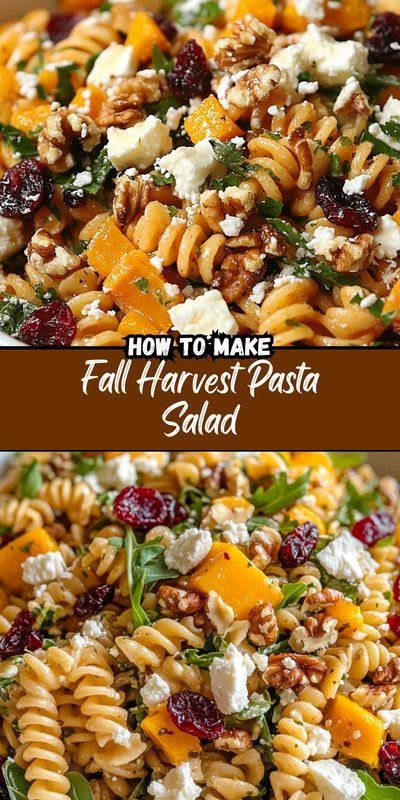
Fall Harvest Pasta Salad is a colorful, flavorful, and satisfying dish that celebrates the best ingredients of autumn. Combining tender pasta, crisp seasonal vegetables, sweet apples, crunchy nuts, dried cranberries, and a delicious homemade dressing, this fall pasta salad offers a wonderful balance of sweet, savory, tangy, and nutty flavors. It is an excellent recipe for anyone looking to bring seasonal ingredients to the table while preparing a meal that is both simple and impressive.
Whether you are planning a cozy family dinner, a Thanksgiving gathering, a fall potluck, or a weekend meal prep session, this Fall Harvest Pasta Salad is a versatile choice. Its vibrant colors and combination of textures make it visually appealing, while its fresh ingredients deliver a satisfying eating experience. Unlike traditional pasta salads that rely heavily on mayonnaise, this autumn-inspired version can feature a light vinaigrette made with olive oil, apple cider vinegar, Dijon mustard, and a touch of maple syrup.
One of the best things about Fall Harvest Pasta Salad is how easily you can customize it. You can include roasted butternut squash for a comforting seasonal flavor, baby spinach or arugula for freshness, feta cheese for a creamy and tangy element, and pecans or walnuts for extra crunch. The result is a delicious combination of ingredients that captures the warmth and richness of fall.
This easy Fall Harvest Pasta Salad recipe is suitable as a side dish or a light main course. It pairs beautifully with roasted chicken, turkey, grilled salmon, and other hearty meals. You can also prepare it ahead of time, making it especially convenient for busy weekdays and holiday celebrations.
If you are searching for an easy autumn pasta salad recipe that looks beautiful, tastes delicious, and makes excellent use of seasonal produce, this Fall Harvest Pasta Salad deserves a place on your fall menu.
2. Key Benefits of Fall Harvest Pasta Salad
Fall Harvest Pasta Salad offers several practical advantages that make it a great addition to your seasonal recipe collection. From its flexible ingredients to its make-ahead convenience, this dish is ideal for a variety of occasions.
A Delicious Way to Enjoy Seasonal Ingredients
Autumn brings a wonderful selection of produce, including apples, squash, spinach, pears, and hearty leafy greens. Incorporating these ingredients into a pasta salad allows you to enjoy their natural flavors in a fresh and satisfying way.
Apples contribute sweetness and a crisp texture, while roasted butternut squash adds a soft consistency and a slightly sweet, earthy flavor. Dried cranberries provide a pleasant tartness that complements the richness of the nuts and dressing.
Using seasonal ingredients also makes it easier to adapt the recipe according to what is available at your local market.
Easy to Customize
One of the biggest benefits of this harvest pasta salad is its versatility. You can change the pasta shape, substitute different vegetables, experiment with several types of nuts, or add your favorite cheese.
For a vegetarian meal, keep the ingredients plant-based or add feta cheese. For a more filling dish, include grilled chicken, roasted turkey, or chickpeas. You can also use gluten-free pasta if needed.
These simple substitutions allow you to create a version that suits your preferences and dietary requirements.
Perfect for Fall Gatherings
The combination of colorful pasta, fresh greens, apples, cranberries, and nuts makes this dish particularly attractive on a holiday table.
It works well for Thanksgiving dinners, autumn potlucks, family reunions, office lunches, and casual gatherings. Because it can be prepared in advance, you can spend less time in the kitchen when your guests arrive.
For the best presentation, add a few extra cranberries, chopped nuts, and crumbled feta cheese just before serving.
Convenient for Meal Preparation
Fall Harvest Pasta Salad can be prepared ahead of time, which makes it useful for weekly meal planning. Cooking the pasta and roasting the vegetables in advance can save time during busy days.
For the freshest results, store the dressing separately and combine it with the salad shortly before serving. If you prefer a more developed flavor, you can dress the pasta and sturdy ingredients ahead of time, then add delicate greens and crunchy toppings later.
Properly refrigerated leftovers can also provide a convenient lunch for the next day.
Offers a Variety of Textures
A great pasta salad should have more than one texture. This recipe combines tender pasta, crisp apples, crunchy nuts, chewy dried cranberries, and soft roasted vegetables.
Optional feta cheese adds a creamy, crumbly texture, while spinach or arugula contributes freshness.
The contrast between these ingredients makes each bite interesting and helps the dish feel more satisfying.
A Flexible Side Dish or Main Course
This autumn pasta salad can be served in several ways. As a side dish, it complements roasted meats, grilled vegetables, and hearty soups. As a main course, it can be made more substantial by adding chicken, chickpeas, white beans, or extra cheese.
You can also serve it at room temperature for a casual gathering or slightly chilled for a refreshing lunch.
3. Ingredients for Fall Harvest Pasta Salad
The ingredients in Fall Harvest Pasta Salad work together to create a delicious balance of sweetness, acidity, savory flavor, and crunch. The following recipe makes approximately 6 servings as a side dish.
Ingredients
For the pasta salad:
- 12 ounces (340 g) rotini, fusilli, farfalle, or penne pasta
- 2 cups butternut squash, peeled and cut into small cubes
- 1 medium apple, diced
- 1 cup baby spinach or arugula
- 1/2 cup dried cranberries
- 1/2 cup chopped pecans or walnuts
- 1/2 cup crumbled feta cheese
- 2 tablespoons olive oil for roasting the squash
- 1/4 teaspoon salt, or to taste
- 1/4 teaspoon black pepper, or to taste
- 1/2 teaspoon dried thyme or rosemary (optional)
For the homemade dressing:
- 1/4 cup extra-virgin olive oil
- 2 tablespoons apple cider vinegar
- 1 tablespoon pure maple syrup
- 1 teaspoon Dijon mustard
- 1 small garlic clove, finely minced
- 1/4 teaspoon salt, or to taste
- 1/4 teaspoon freshly ground black pepper
Pasta
Pasta forms the foundation of this salad. Short pasta shapes such as rotini, fusilli, farfalle, and penne are excellent choices because they hold the dressing well and are easy to serve.
Rotini is especially useful because its spiral shape catches small pieces of vegetables, cheese, and dressing. Farfalle provides an attractive appearance, while penne creates a heartier texture.
Cook the pasta until al dente so that it remains firm after being mixed with the dressing. Overcooked pasta can become soft and break apart when combined with the other ingredients.
Butternut Squash
Butternut squash brings a naturally sweet flavor that works beautifully with apples, cranberries, and maple dressing.
Roasting the squash helps develop a golden exterior and tender interior. It also creates a deeper flavor than simply boiling or steaming the vegetables.
Cut the squash into evenly sized cubes to encourage uniform cooking. If you cannot find butternut squash, roasted sweet potatoes are an excellent substitute.
Apples
Apples provide freshness, sweetness, and a crisp bite. Firm varieties such as Honeycrisp, Pink Lady, or Granny Smith work particularly well.
Honeycrisp apples offer a sweet and juicy flavor, while Granny Smith apples provide a sharper contrast to the sweet squash and cranberries.
Dice the apples into bite-sized pieces and add them shortly before serving to help preserve their crisp texture. A small splash of lemon juice can help reduce browning.
Baby Spinach or Arugula
Fresh greens give the salad a bright color and balance the richness of the pasta, cheese, and nuts.
Baby spinach has a mild flavor and soft texture, while arugula provides a slightly peppery taste. Both are suitable options, so choose according to your preference.
Make sure the greens are washed and thoroughly dried before adding them to the salad.
Dried Cranberries
Dried cranberries are a classic fall ingredient because their sweet-tart flavor pairs well with roasted squash, apples, and nuts.
They also add a deep red color that makes the finished dish more attractive.
If your dried cranberries are particularly firm, soak them in warm water for a few minutes, then drain and dry them before adding them to the salad.
Pecans or Walnuts
Pecans and walnuts provide crunch and a rich, nutty flavor. Toasting them briefly in a dry skillet can enhance their aroma.
Pecans tend to taste slightly sweeter and buttery, while walnuts have a more pronounced earthy flavor.
If you have a nut allergy or want a nut-free version, use toasted pumpkin seeds or sunflower seeds instead.
Feta Cheese
Feta cheese contributes a salty, tangy flavor that balances the sweetness of the apples, cranberries, and maple dressing.
Its crumbly texture also adds contrast to the tender pasta and roasted squash.
Goat cheese is another delicious option. For a dairy-free version, omit the cheese or use a suitable plant-based alternative.
Homemade Maple Apple Cider Dressing
The dressing brings the entire salad together. Olive oil provides richness, apple cider vinegar contributes acidity, maple syrup adds gentle sweetness, Dijon mustard helps emulsify the ingredients, and garlic introduces a savory note.
Whisking the dressing thoroughly helps create a smooth mixture that coats the pasta and vegetables evenly.
You can adjust the maple syrup and vinegar to suit your taste. If the salad contains particularly sweet apples and squash, use slightly less maple syrup for a more balanced result.
4. How to Make Fall Harvest Pasta Salad
Making Fall Harvest Pasta Salad is straightforward and requires only a few simple preparation steps. Roasting the squash, cooking the pasta, preparing the dressing, and combining the ingredients will produce a colorful autumn dish that is suitable for both everyday meals and special occasions.
Preparation time: 15 minutes
Cooking time: 25–30 minutes
Total time: Approximately 40–45 minutes
Servings: 6 side-dish portions
Step 1: Preheat the Oven
Preheat your oven to 400°F (200°C).
Prepare a large baking sheet by lining it with parchment paper if desired. This makes cleanup easier and helps prevent the roasted squash from sticking.
Cut the butternut squash into small, evenly sized cubes. Try to keep the pieces similar in size so they cook at approximately the same rate.
Step 2: Season and Roast the Butternut Squash
Place the squash cubes in a large bowl. Add the olive oil, salt, black pepper, and optional dried thyme or rosemary.
Toss everything together until the squash is evenly coated.
Spread the seasoned squash in a single layer on the baking sheet. Avoid overcrowding the pan, as too many pieces close together can cause the squash to steam rather than roast.
Roast for approximately 20–25 minutes, turning the pieces halfway through cooking. The squash should become tender and lightly golden around the edges.
Check the squash with a fork before removing it from the oven. If the pieces are still firm, continue roasting for a few additional minutes.
Allow the roasted squash to cool slightly before adding it to the salad. Warm squash can soften the greens and affect the texture of the other ingredients.
Step 3: Cook the Pasta
While the squash is roasting, bring a large pot of salted water to a boil.
Add the pasta and cook according to the package instructions until al dente. The pasta should be tender but still have a slight firmness when bitten.
Drain the pasta thoroughly. If you plan to serve the salad cold, rinse it briefly with cool water to stop the cooking process and remove excess surface starch.
Drain it well again so that water does not dilute the dressing.
Transfer the cooked pasta to a large mixing bowl and allow it to cool.
For the best flavor, avoid overcooking the pasta. Firm pasta holds its shape better and creates a more appealing texture in the finished salad.
Step 4: Prepare the Homemade Dressing
In a small bowl or jar, combine the olive oil, apple cider vinegar, maple syrup, Dijon mustard, minced garlic, salt, and black pepper.
Whisk the ingredients together until they form a well-combined dressing.
Alternatively, place the ingredients in a jar with a tight-fitting lid and shake vigorously for approximately 20–30 seconds.
Taste the dressing and adjust it as needed. Add a little more vinegar if you prefer a tangier flavor, or a small amount of maple syrup if you want additional sweetness.
If the dressing tastes too strong on its own, remember that it will be distributed across the pasta, squash, greens, and other ingredients.
Set the dressing aside while you assemble the salad.
Step 5: Prepare the Remaining Ingredients
Wash and dry the baby spinach or arugula. If the leaves are large, tear them into smaller pieces.
Dice the apple into bite-sized cubes. If preparing it ahead of time, toss the pieces with a little lemon juice to help reduce browning.
Measure the dried cranberries and chop the pecans or walnuts.
If desired, toast the nuts in a dry skillet over medium-low heat for approximately 3–5 minutes, stirring frequently. Remove them as soon as they become fragrant and allow them to cool.
Crumble the feta cheese into small pieces.
Preparing all the ingredients before mixing makes the final assembly quicker and helps ensure that each serving contains a balanced combination of flavors.
Step 6: Combine the Pasta and Roasted Squash
Once the pasta and squash have cooled to room temperature, add the roasted squash to the pasta bowl.
Gently toss the ingredients together.
Pour approximately two-thirds of the dressing over the mixture and stir until the pasta and squash are lightly coated.
Reserve the remaining dressing so that you can adjust the flavor just before serving.
Adding the dressing gradually helps prevent the salad from becoming too oily or overly wet.
Step 7: Add the Apples, Cranberries, Nuts, and Cheese
Add the diced apple, dried cranberries, chopped pecans or walnuts, and crumbled feta cheese.
Use a large spoon to fold the ingredients into the pasta gently. Avoid vigorous stirring, which can break the squash into smaller pieces and crush the softer ingredients.
If you are preparing the salad ahead of time, consider reserving the apples, nuts, greens, and some of the cheese until shortly before serving. This helps preserve their texture and appearance.
Step 8: Fold in the Fresh Greens
Add the baby spinach or arugula and gently fold it into the salad.
If the salad is still warm, wait until it has cooled before adding the greens. Excessive warmth can cause delicate leaves to wilt.
Pour in a little more dressing if needed. The goal is to coat the ingredients lightly without leaving a large amount of liquid at the bottom of the bowl.
Step 9: Taste and Adjust the Seasoning
Taste the salad and adjust the salt, pepper, and dressing as needed.
If the flavors seem too sweet, add a small splash of apple cider vinegar. If the salad tastes too tangy, add a little maple syrup or another small drizzle of olive oil.
You can also add more feta for saltiness or extra nuts for crunch.
Remember that feta cheese and dried cranberries already contribute strong flavors, so make adjustments gradually.
Step 10: Serve and Enjoy
Transfer the finished Fall Harvest Pasta Salad to a large serving bowl.
Garnish with extra cranberries, chopped nuts, feta cheese, or a few fresh green leaves for an attractive presentation.
The salad can be served immediately or chilled briefly in the refrigerator to allow the flavors to blend.
If the salad has been refrigerated, toss it gently before serving and add a little reserved dressing if the pasta has absorbed most of the liquid.
Serve this delicious autumn pasta salad alongside roasted chicken, turkey, grilled fish, or your favorite vegetarian main course.
5. How to Store Fall Harvest Pasta Salad
Proper storage helps preserve the flavor, texture, and freshness of Fall Harvest Pasta Salad. Because this recipe contains cooked pasta, fresh produce, cheese, and a homemade dressing, it should be refrigerated promptly after preparation.
Storing Leftovers in the Refrigerator
Place leftover pasta salad in a clean, airtight container and refrigerate it within two hours of preparation, or within one hour if the temperature is above 90°F (32°C).
For best quality, consume the salad within 3–4 days when it has been kept continuously refrigerated at 40°F (4°C) or below.
If the salad has been sitting out for an extended period, especially in warm weather, discard it rather than attempting to save it.
Store the Dressing Separately When Preparing Ahead
If you are making this salad for a future meal, storing the dressing separately can help preserve the texture of the pasta and vegetables.
Keep the cooked pasta and roasted squash in an airtight container. Store the dressing in a separate sealed jar in the refrigerator.
Add the dressing when you are ready to serve, then incorporate the apples, greens, nuts, and feta cheese.
This method helps the greens remain fresher, the nuts retain their crunch, and the apples maintain their crisp texture.
How to Keep the Apples Fresh
Apples can gradually brown after being cut and exposed to air.
To reduce browning, toss the diced apples with a small amount of lemon juice. You can also cut the apples shortly before serving for the freshest appearance.
Firm apple varieties generally hold their texture better than softer varieties.
Refreshing Leftover Pasta Salad
Pasta tends to absorb dressing as it sits in the refrigerator. As a result, leftover salad may appear drier the following day.
Before serving, toss the salad gently and add a small amount of olive oil, apple cider vinegar, or reserved dressing.
If the greens have softened, add a handful of fresh spinach or arugula. You can also sprinkle on freshly chopped nuts to restore some crunch.
Can You Freeze Fall Harvest Pasta Salad?
Freezing the assembled salad is not recommended.
Cooked pasta may become soft or grainy after thawing, while fresh apples and leafy greens can lose their texture. Feta cheese and the dressing may also change in consistency.
If you want to prepare part of the recipe in advance, you can freeze the roasted butternut squash separately in a freezer-safe container. Allow it to cool before freezing and use it within approximately 2–3 months for best quality.
Thaw the squash in the refrigerator and combine it with freshly cooked or properly stored pasta and the remaining ingredients.
6. Tips and Tricks for the Best Fall Harvest Pasta Salad
A few simple techniques can make your autumn pasta salad more flavorful, visually appealing, and easier to prepare.
Choose a Pasta Shape That Holds Dressing
Short pasta shapes work best because they are easy to eat and hold the dressing well.
Rotini and fusilli are especially effective at catching small pieces of squash, cranberries, and cheese. Farfalle is another attractive option for holiday meals.
Cook the pasta just until al dente. Overcooked pasta can become mushy after being dressed and refrigerated.
Roast the Squash Until Golden
Roasting is one of the most important steps in this recipe.
Cut the squash into evenly sized cubes, coat them lightly with oil, and spread them in a single layer. Leave a little space between the pieces to encourage browning.
Roasted squash develops a sweeter, deeper flavor that makes the salad taste more like autumn.
Avoid Adding Hot Ingredients to the Greens
Allow the pasta and squash to cool before combining them with spinach or arugula.
Adding hot ingredients directly to delicate greens can cause them to wilt. Cooling the ingredients first helps maintain a fresh texture and attractive appearance.
Balance Sweet and Tangy Flavors
This recipe includes naturally sweet squash, apples, dried cranberries, and maple syrup.
Apple cider vinegar and Dijon mustard provide acidity and sharpness, while feta contributes saltiness.
Taste the dressing before adding it to the salad. Adjust the balance according to the sweetness of your apples and the tartness of your cranberries.
Toast the Nuts for Extra Flavor
Toasting pecans or walnuts enhances their aroma and creates a more pronounced nutty flavor.
Place them in a dry skillet over medium-low heat and stir frequently for approximately 3–5 minutes. Remove them promptly once fragrant, as nuts can burn quickly.
Allow them to cool completely before adding them to the salad.
Dress the Salad Gradually
Do not pour all the dressing over the ingredients at once.
Start with about two-thirds of the dressing, toss the salad, and taste it. Add more only if needed.
This approach prevents the pasta salad from becoming soggy or overly oily.
Prepare Components in Advance
You can roast the squash, cook the pasta, and prepare the dressing a day ahead.
Store each component separately in the refrigerator. When you are ready to serve, combine the ingredients and add the fresh greens, apples, nuts, and cheese.
This is particularly helpful when preparing a Thanksgiving meal or hosting a fall gathering.
Add Protein for a More Filling Meal
To turn the salad into a satisfying main course, add grilled chicken, leftover roasted turkey, chickpeas, or white beans.
These additions provide extra protein and make the dish suitable for lunch or dinner.
If adding cooked meat, refrigerate the finished salad promptly and follow the same food-safety guidance as other cooked leftovers.
Make the Salad Look Beautiful
Presentation is easy with this recipe because the ingredients naturally provide several colors.
Use a large shallow serving bowl to display the pasta, orange squash, red cranberries, green leaves, and white feta cheese.
Finish with extra nuts and a light drizzle of dressing just before serving.
For a holiday table, reserve a few attractive pieces of squash and sprinkle them over the top rather than mixing every ingredient completely into the salad.
7. Fall Harvest Pasta Salad Recipe Variations
One of the most appealing features of Fall Harvest Pasta Salad is that you can adapt it to different preferences, seasonal ingredients, and dietary needs.
Roasted Sweet Potato Harvest Pasta Salad
Replace the butternut squash with roasted sweet potatoes.
Peel the sweet potatoes, cut them into cubes, and roast them with olive oil, salt, pepper, and a little thyme until tender and lightly browned.
Sweet potatoes provide a rich, naturally sweet flavor that pairs well with cranberries, apples, pecans, and maple dressing.
This variation is ideal if sweet potatoes are easier to find than butternut squash.
Chicken Fall Harvest Pasta Salad
Add approximately 2 cups of cooked, diced or shredded chicken to make the salad more substantial.
Grilled chicken, roasted chicken breast, or leftover roasted chicken all work well.
Season the chicken with salt, black pepper, garlic, and a little thyme to complement the autumn flavors.
For a Thanksgiving-inspired version, use leftover roasted turkey instead.
Vegan Fall Harvest Pasta Salad
To make the salad vegan, omit the feta cheese or replace it with a plant-based alternative.
Check that the pasta is egg-free if you are avoiding all animal products. Use maple syrup rather than honey in the dressing.
Chickpeas or white beans can provide extra substance, while pumpkin seeds or sunflower seeds add crunch without nuts.
The combination of roasted squash, apples, cranberries, greens, and maple vinaigrette still delivers plenty of flavor.
Gluten-Free Fall Harvest Pasta Salad
Use your favorite gluten-free rotini, penne, or fusilli.
Follow the package instructions carefully because gluten-free pasta can become soft more quickly than traditional wheat pasta. Drain it promptly